


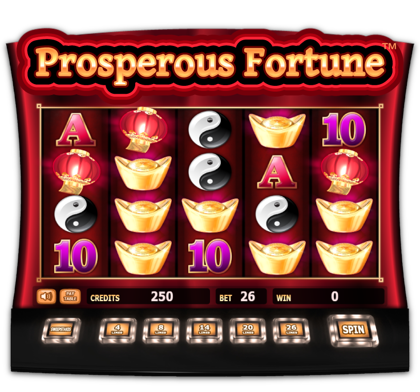
Low-volatility slots are designed to produce smaller, more frequent wins than high-volatility games, although no result is guaranteed. Demo play can help you understand that style without risking a deposit. The free slots casino category is particularly useful for comparing game mechanics, displayed RTP information and bankroll behaviour in a risk-free format. Free Slots is not a single game or operator; it refers to browser-based play-money versions that may be available without registration. The virtual balance has no cash value, and a successful demo session does not predict future real-money results.
What does low volatility actually describe?
Volatility, sometimes called variance, describes how a slot’s wins tend to be distributed over time. A low-volatility game generally aims for more regular winning events, but those wins are often modest. A high-volatility slot may produce longer losing stretches while offering the possibility of larger individual payouts. Medium-volatility games sit between those broad descriptions.
This label is not a promise about your next few spins. Random outcomes can still create a long losing sequence in a low-volatility slot, or an unusually large win in a game described as high volatility. Volatility is a statistical characteristic of the game’s mathematical model, not a guarantee that the balance will rise steadily. Short demo sessions are too limited to prove how a game behaves over the long term.

RTP is a separate measure. It represents the theoretical percentage returned across a very large number of plays, rather than the amount a particular player should receive. For example, a displayed RTP is not a personal refund rate or a session target. The same title may be offered in different RTP versions, so check the information attached to the specific game rather than relying on a familiar title name.
Which details should you inspect before playing?
Begin with the game’s information panel, help screen or paytable. Look for the stated volatility, RTP, maximum win, paylines or ways to win, minimum and maximum stake settings, and any rules affecting bonus features. If a catalogue does not display volatility, do not assume that the game is low variance simply because its theme appears gentle or its wins occur frequently.
Next, examine how the game creates those wins. A slot may use paylines, clusters, tumbling reels, expanding symbols, multipliers, sticky wilds or free-spin rounds. Frequent small symbol combinations can feel consistent, yet a large share of the theoretical return may depend on a bonus feature. Understanding that structure helps you distinguish ordinary base-game activity from the events that drive the advertised maximum win.
Pay attention to important variations between similar versions. A title may have different RTP settings, stake ranges or bonus-buy options depending on the platform. A demo catalogue can show useful information, but it does not establish that a real-money version elsewhere uses identical settings. If the game’s rules are unclear, treat that uncertainty as a reason to investigate further rather than filling the gaps with assumptions.
How can demo play make comparisons more useful?
Use one consistent approach when comparing several low-volatility slots. Give each game a similar number of spins, record the displayed RTP and volatility, and note whether wins mainly come from regular symbols or special rounds. This will not measure the true long-term return, but it can help you compare presentation, pace, feature frequency and the clarity of the rules.
Keep a simple observation list rather than judging a game by its temporary virtual balance:
- Does the base game feel understandable after reading the paytable?
- Are the bet controls clear, including the smallest available stake?
- Do bonus features require unusual conditions to trigger?
- Does the game rely heavily on a bonus-buy option or maximum-win headline?
- Are RTP and volatility shown for this exact version?
After the comparison, separate preference from evidence. You may enjoy a slower, steadier rhythm, but that does not make the game profitable or safer with real money. Demo credits can also reset when a page is refreshed, browser storage is cleared or another device is used. Their purpose is familiarization, not a dependable record of performance or a method for predicting the next outcome.
When might a low-volatility slot still feel unsuitable?
A lower-volatility label does not remove the need for spending boundaries. Someone who prefers frequent small wins may still become frustrated if the game’s bonus feature is rare or if the displayed stakes are larger than expected. Conversely, repeated small wins can encourage longer sessions because the balance may appear to last. The emotional effect of the game matters as much as its mathematical description.
Consider whether the design encourages rapid decisions. Autoplay, quick-spin settings, celebratory sounds and constant animations can make time pass unnoticed. If you move from demo play to real-money gambling, decide your maximum spending and session duration before opening the game. Never increase the stake to recover a loss, and do not treat a low-volatility slot as a substitute for income or a way to manage financial pressure.
Canadian readers can consult the Responsible Gambling Council’s information resources for broader guidance about gambling-related decisions. Those resources do not confirm the rules, licensing or availability of any particular operator. Province, age, location, account verification and consumer protections may differ once play-money testing becomes real-money gambling, so check the specific operator’s stated requirements.
What should you verify before leaving demo mode?
First, confirm that you understand the change in product. A free demo uses virtual credits, while promotional free spins and no-deposit offers are separate arrangements connected to a real-money account. A promotion may include an expiry date, eligible games, wagering requirements, maximum bets or a limit on how much can be converted. None of those terms should be assumed from ordinary demo access.
Second, review the operator’s own information for the Canadian province where you live. Do not infer authorization, availability or consumer protections merely because a game loads in a browser. Check the stated age and location requirements, account verification process, responsible-gambling controls and applicable terms. A demo site may link to a real-money service without proving that the service is suitable or accessible to you.
Finally, decide whether real-money play fits your circumstances at all. If you proceed, use only money set aside for entertainment, establish a firm stop point and avoid borrowing. If demo play is satisfying on its own, there is no obligation to deposit. The most useful outcome of testing a low-volatility slot may simply be learning its mechanics and deciding to keep the experience risk-free.
Questions readers often ask about low-volatility demos
Are free low-volatility slots guaranteed to pay more often?
No. The label describes a general statistical tendency, not a promise about an individual session. A low-volatility slot can produce losing streaks, while a high-volatility game can produce several wins close together. Demo results are random examples and cannot establish what will happen during later play.
Can demo winnings from these slots be withdrawn?

No. Ordinary demo balances consist of virtual credits and have no monetary value. They cannot be transferred to a bank card, e-wallet or casino account. Promotional free spins are different because they belong to a real-money offer and may have separate eligibility and wagering conditions.
Does testing a demo confirm the real-money version is identical?
No. The title, interface and general mechanics may look similar, but RTP settings, available stakes and some features can vary by platform or operator. Before depositing, read the specific version’s paytable and terms. Also check the operator’s requirements for your province, age, location and verification.